|
|||||||
 |
|||||||
Welcome
to www.fcsnooker.co.uk - United Kingdom
suppliers of Snooker Tables, Billiard
Dining Tables, English Pool Dining
Tables, English Pool Tables and American
Pool Tables |
|||||||
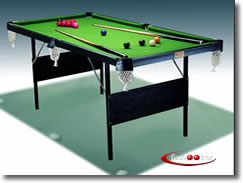
The Standard Table A slate bed, inset in a wooden framework and covered by green baize cloth, tautly drawn and having a nap running from one end to the other, forms the playing area. The table measures 12 foot by 6 foot 1 and a half inches, but the bed, being enclosed by rubber cushions which overhang it by 2 inches, is reduced for playing purposes to an area of 11 foot 8 inches by 5 foot 9 and a half inches. The table rests on eight legs, with a pocket in each corner and one placed at each side exactly in the centre, making six in total. Height The height of the table from the floor to the top of the cushion rail shall be from 2ft 9 and a half inches to 2ft 10 and a half inches (851mm to 876mm). Table Markings A line drawn 29 inches from the bottom cushion and parallel with it is called the Baulk Line. The area within this and the bottom cushion is called the Baulk area. From this line a semi-circle is marked, with a radius of 11 and a half inches, enclosing an area called the 'D'. Four spots are marked on the table - situated at the centre of the 'D' - at the centre of the playing area (centre spot) - at a point 12 and three quarters from the top cushion (billiard spot) and at a point half-way between the centre spot and the top cushion, (pyramid spot). There are two other spots, one at each end of the 'D' line but only one of these (the right hand spot - or green spot in snooker) is used for billiards. Both are used for snooker. The bottom end of the table is the one containing the baulk end the other the top end. To play up the table is to play facing the top of the table and to play down the table is to face the bottom. Pocket Openings Pocket openings must conform to the templates authorised by the World Snooker Association. |
| Snooker
Tables, Snooker Dining Tables, English Pool Tables and American
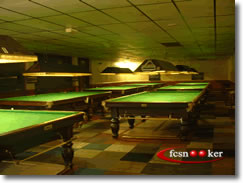
Pool Tables are very heavy, durable and long-lasting pieces of leisure
equipment. Shown below are many examples of recently installed table
products in clients home addresses. |
|||
 |
 |
|
 |
| Quick
Links to the fcsnooker Online Shopping
Catalogue - Buy Products Online |
|||
 |
 |
 |
 |
 |
 |
 |
 |
 |
 |
 |
 |
 |
 |
 |
 |
 |
 |
 |
 |
| Useful
information to consider before making any Snooker
or Pool table purchase |
|||
 |
 |
 |
 |
 |
 |
 |
 |
 |
 |
 |
 |
 |
 |
 |
 |
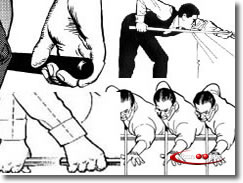
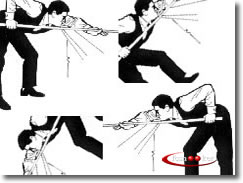
| Snooker
Coaching - Hints and tips, practice routines and a large array of
supporting information |
|||
 |
 |
 |
 |
 |
 |
 |
 |
| General
information on the company, how to place orders for products, buying
terms and conditions and delivery / installation guidance and advice. |
|||
 |
 |
|
 |
 |
 |
 |
 |
| To order a newly manufactured snooker or pool table a 10% deposit will be required to book into the fcsnooker order book. Deposit payments are non-refundable should any table order be cancelled. Final remittance payments payable after the table is fully installed and all products and services have been completed. |
|||
| The
Frank
Callan Suite - 282 Ribbleton Lane, Preston, Lancashire, England
- PR1 5EB Company Registration Number: 039 380 85 - VAT Registration Number: 732 5275 41 © 2012 fcsnooker. All rights reserved |
|||
|
|
|||